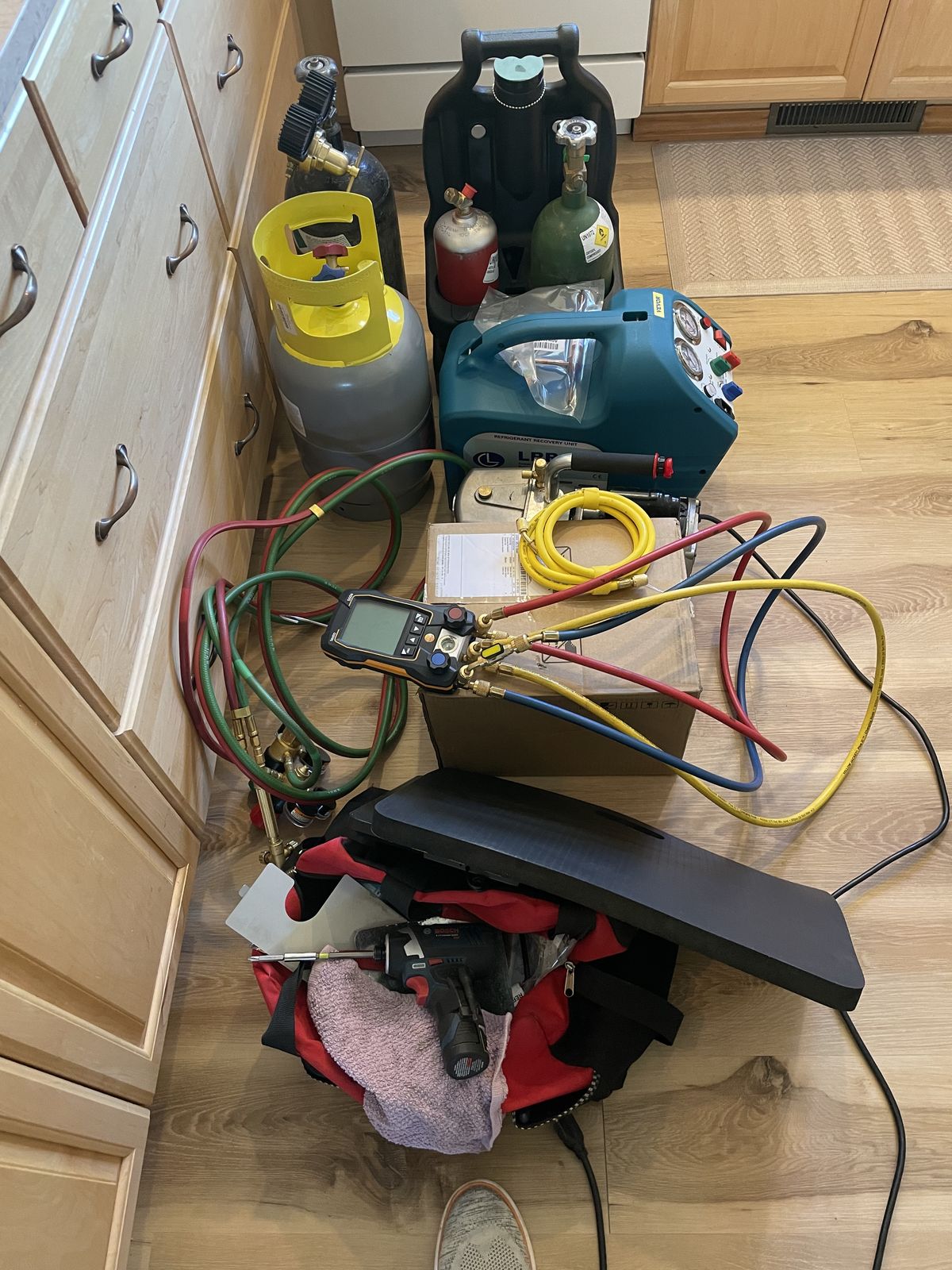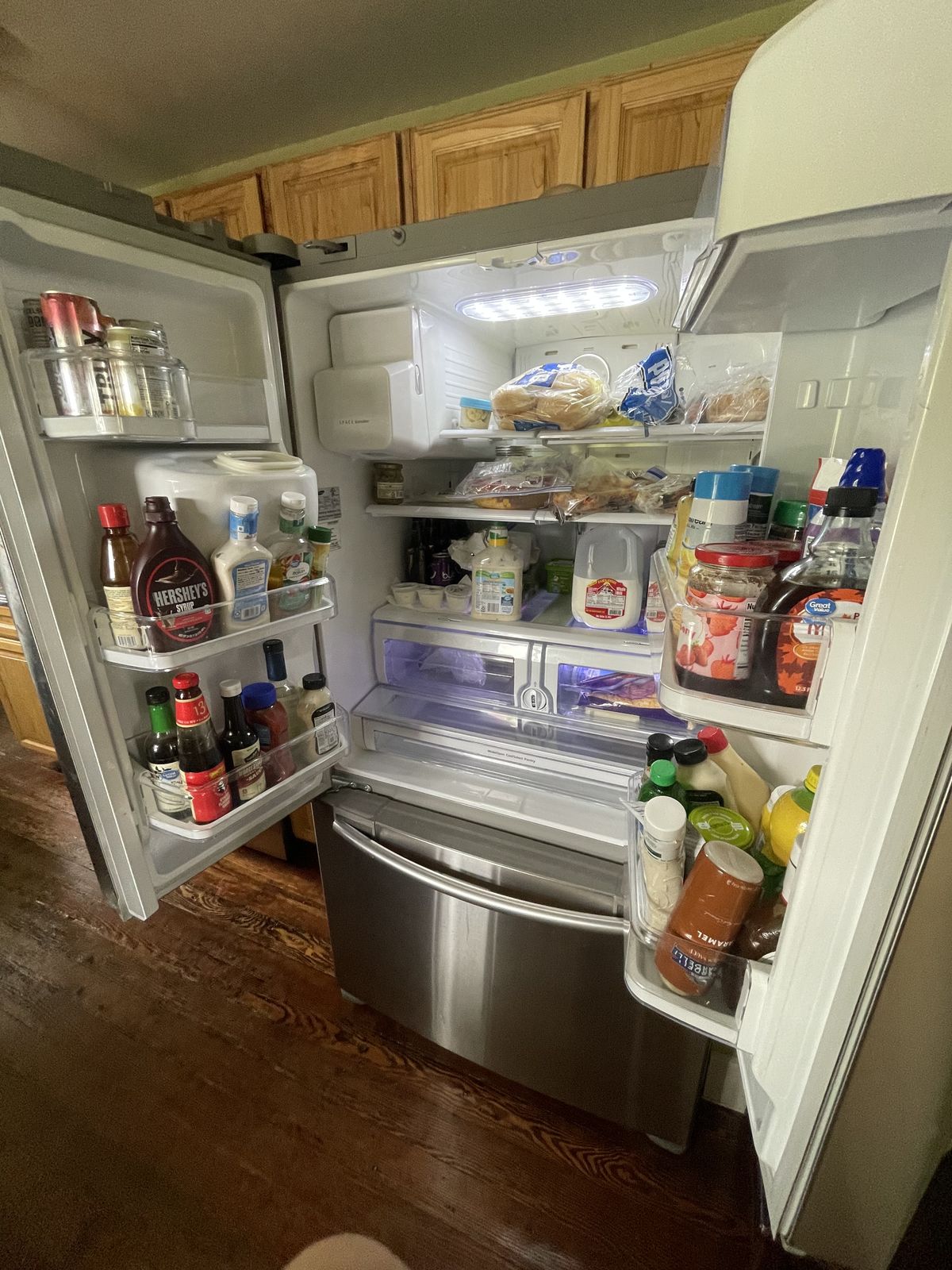
It's the first 90-degree week, the lemonade is planned, and the ice bin is serving six sad cubes a day. Summer is when ice makers work hardest and when every marginal component in the water path finally shows itself — our no-ice calls triple in a heat wave, and they resolve in a remarkably consistent order.
1. The thermometer check nobody does
An ice maker only cycles when its mold gets properly cold. A freezer drifting from 0°F to 10–15°F — because the condenser coils are dusty, the door gasket is tired, or the whole kitchen is running hot — slows ice to a trickle before anything is broken. Two minutes with a freezer thermometer sorts "ice maker problem" from "cooling problem," and in summer it's the cooling problem surprisingly often. Tapering production over weeks, rather than a sudden stop, points here.
2. The filter at end-of-life
An overdue water filter strangles flow, and ice tells on it first: small, hollow, crescent-shaped cubes, then nothing — usually with a slowing dispenser as co-witness. If the filter's been in longer than six months, replace it before any service call; it's the cheapest suspect on this list and it closes a lot of cases.
3. The frozen fill tube
The little tube delivering water to the mold plugs with ice — the classic. The maker cycles an empty tray forever while everyone blames the module. Thawing the plug restores ice for a week; the lasting fix addresses why it froze: a fill valve that weeps between cycles (drips freeze where they land), low flow letting water linger in the tube, or freezer airflow aimed at it. This is the single most frequent finding on our summer ice calls.
4. The valve, and only then the module
The inlet valve at the back opens on command; a tired one underfills (thin ice) or won't open (no ice), and it tests conclusively with a meter and a flow check. The ice maker module itself — motor, thermostat, ejector — is the last suspect precisely because the water-side impostors frame it so often; when it's genuinely done, it swaps as a unit, same visit.
The in-door twist
French-door fridges with the ice maker inside the refrigerator door (LG, Samsung — extremely common in newer Portland kitchens) add a suspect: the ice room's own seal. Humid summer air sneaks in, the compartment glaciates, cubes weld into a berg and the auger groans. Clearing the ice is step one; restoring the seal is the repair. Whichever chapter your machine is in — fixed quote after diagnosis, valves, filters and modules on the van, and most no-ice calls end with a first harvest before we leave.